Once we exited the Panama Canal, we did not stop on the Panama Pacific coast but continued on towards the Galapagos.

Pretty soon, we realized that we had developed some engine problems with overheating and oil leaking from the front seals. I had tried to diagnose these issues but did not have much success due to the fact that we were out to sea and might have needed to use the engine at some point. So, we still continued on with the expectation of finding a reliable Volvo-Penta mechanic on the islands.
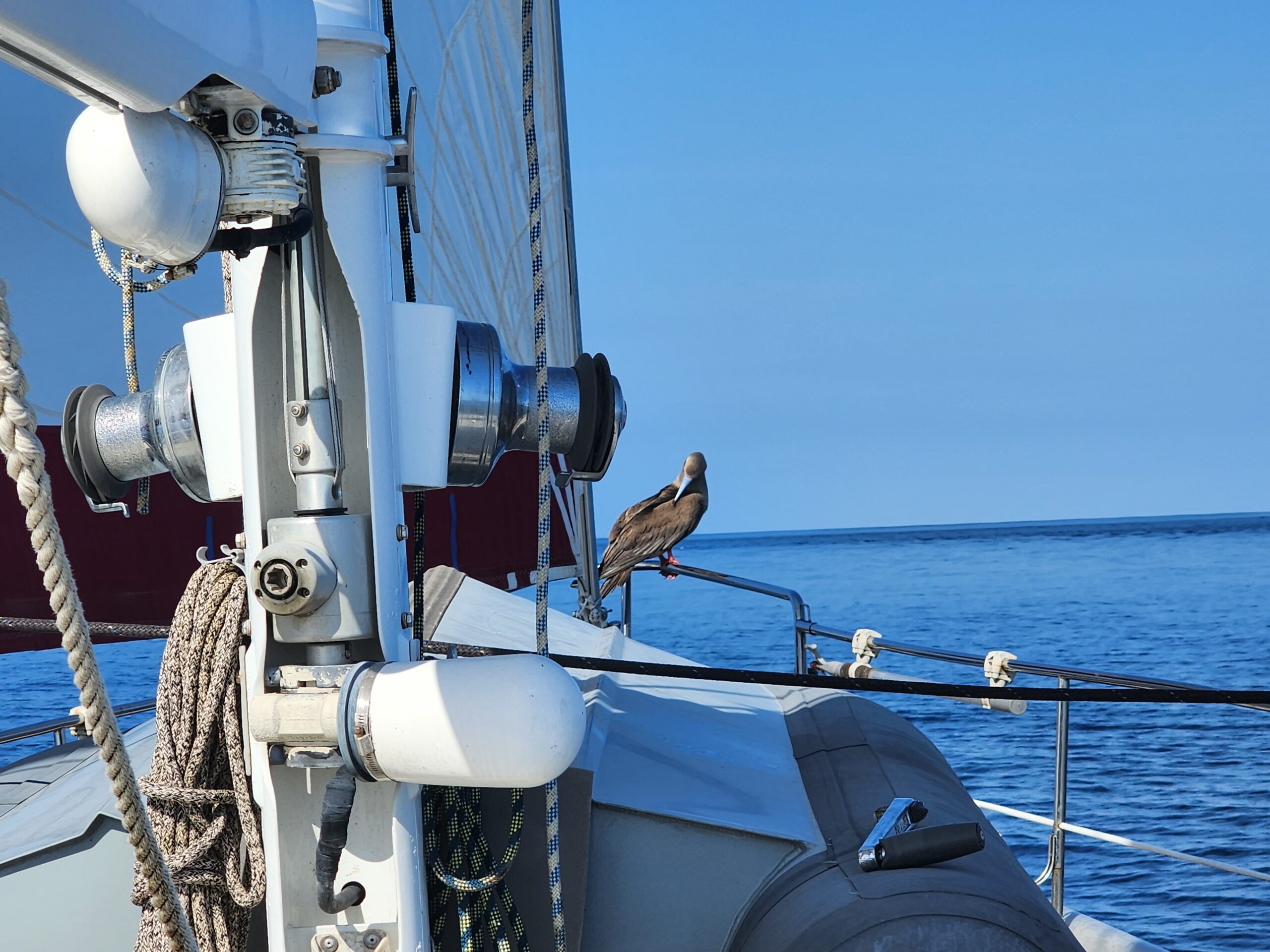
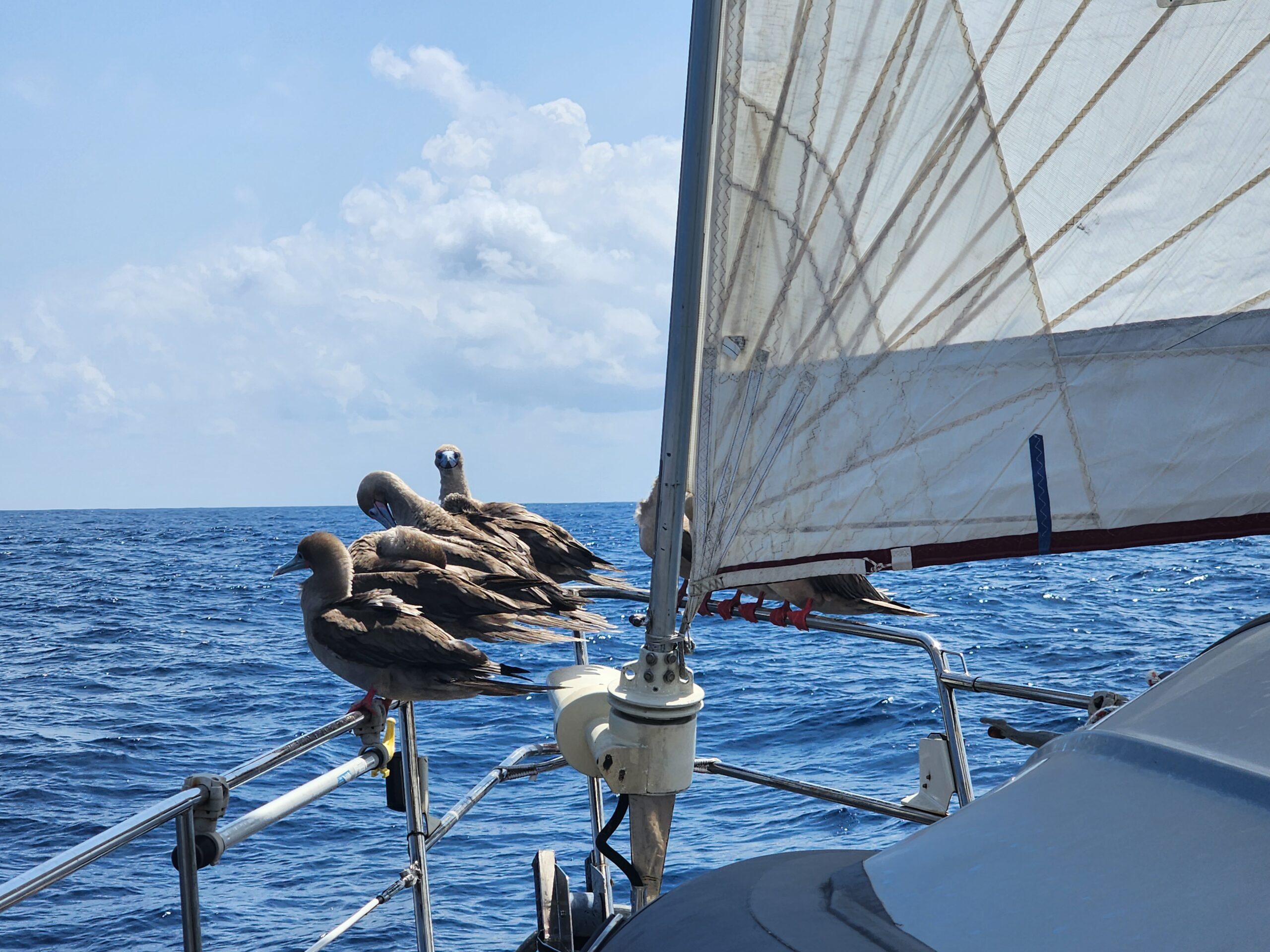
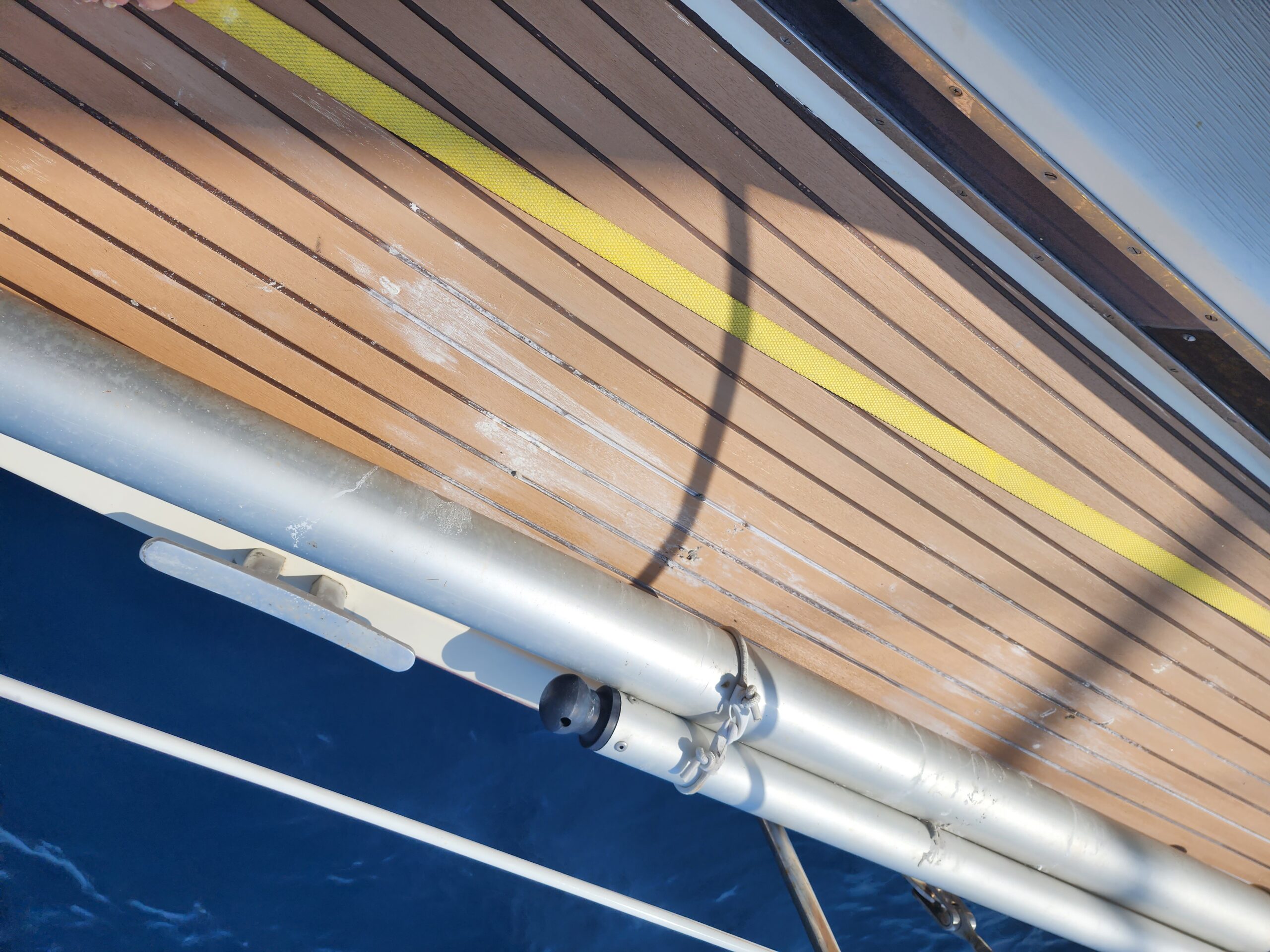
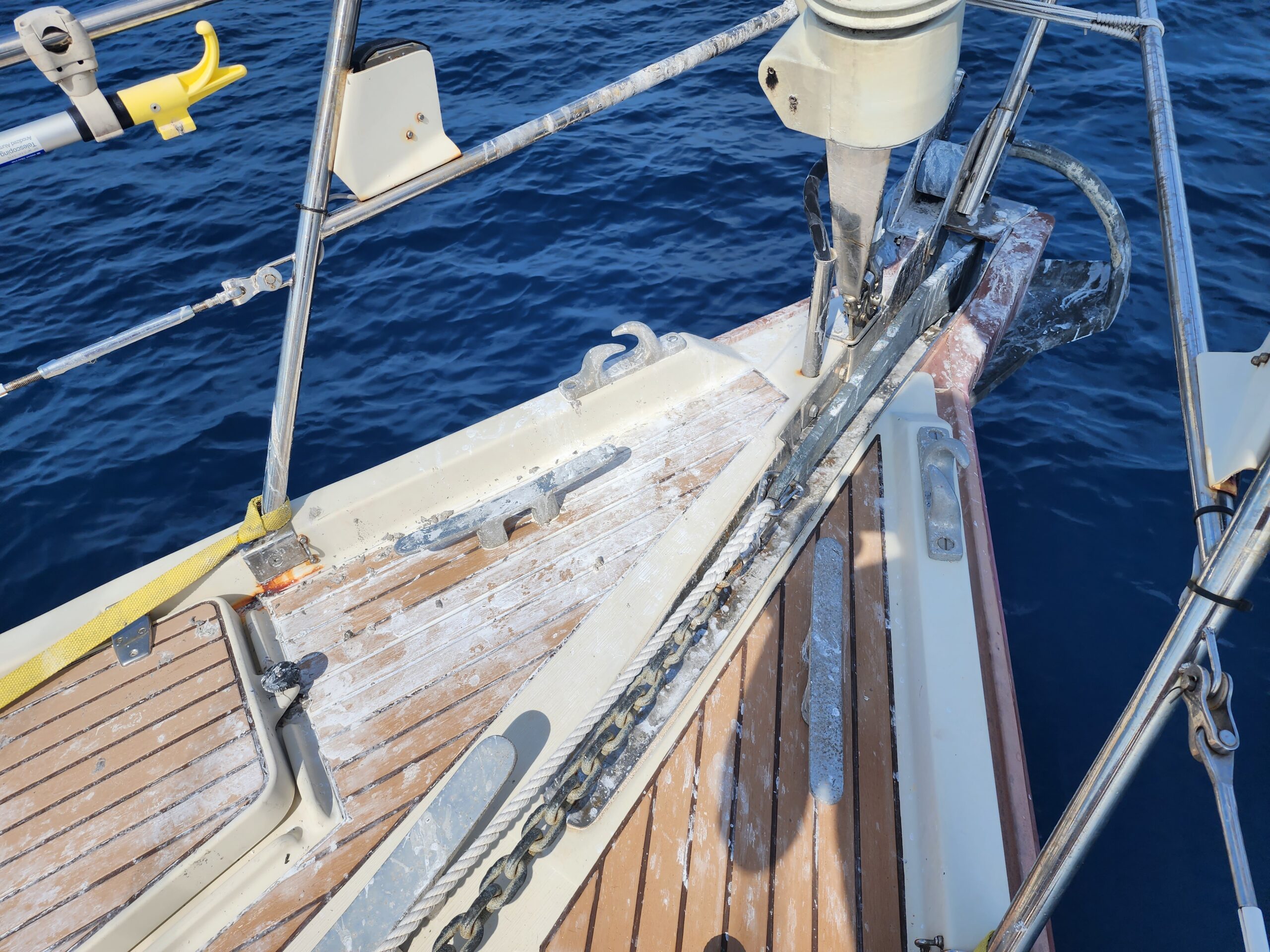
We were still quite some distance from the Galapagos when we got several visitors from the islands. Red-footed boobies, native to Galapagos, are great fliers and can be seen miles away from their home. Unfortunately, the result of their visits to our vessel was not so pleasant.
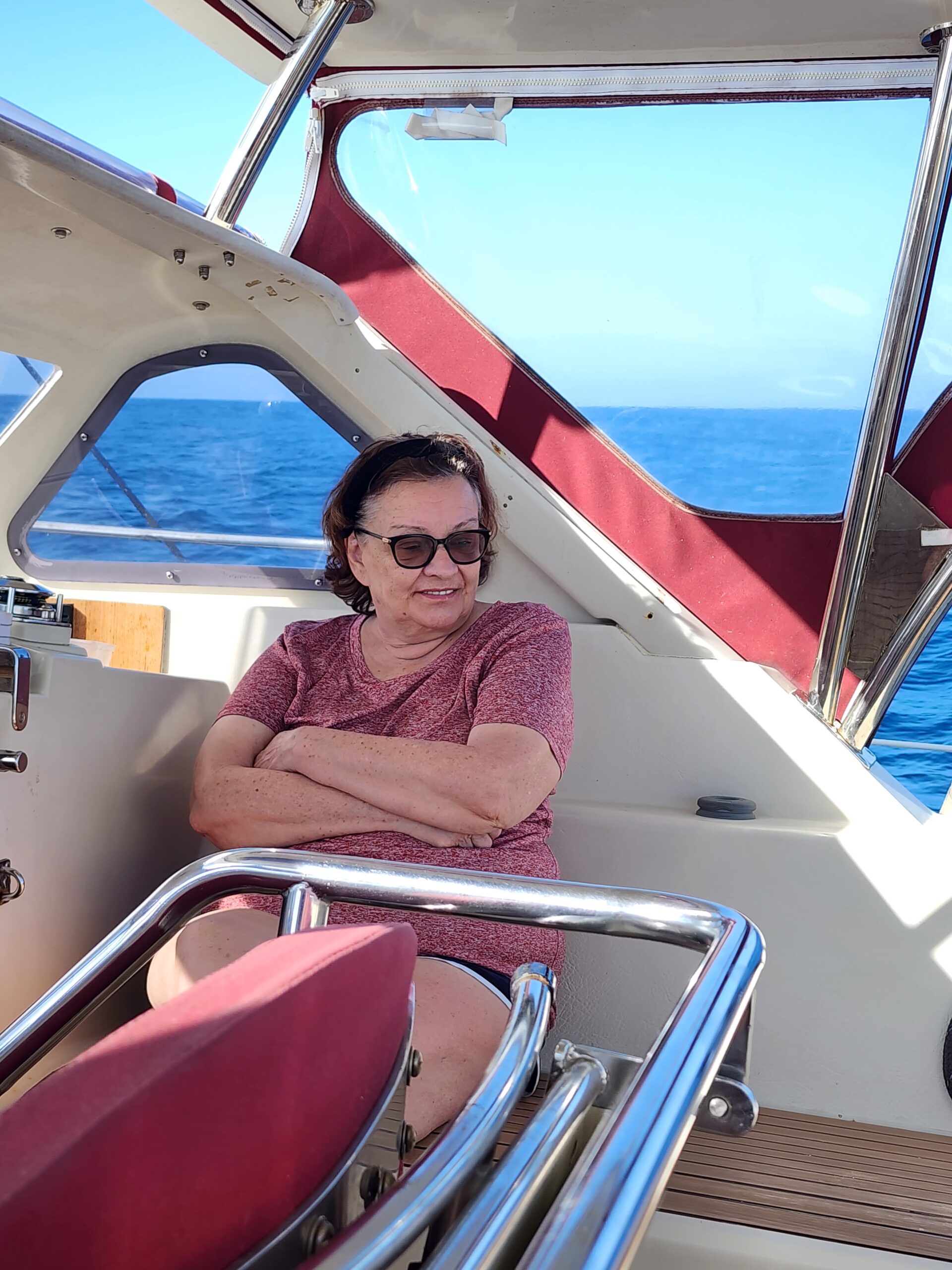
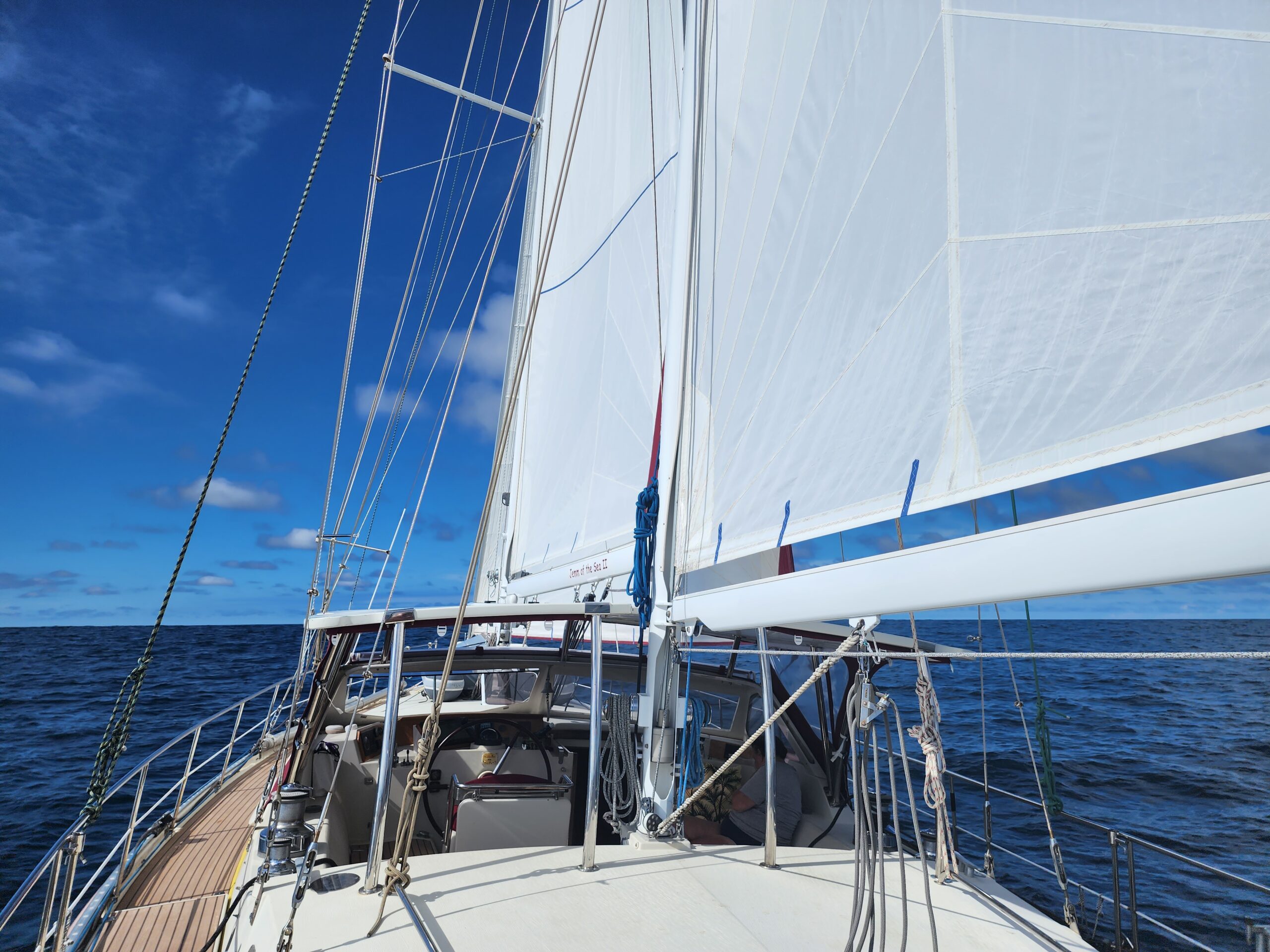
Most of our sailing to the Galapagos was in nice weather with favorable, fresh winds and sunny skies.
Being in the tropics and around the equator, we encountered a few squalls visible on the horizon but never crossed paths with one on our passage.


With the radar being essential in the tropics to track the progress of squalls, (sure enough) it failed not long after we had left Panamanian waters. Now we had an unreliable, leaky engine and no operational radar. Still, we pressed on towards the Galapagos.
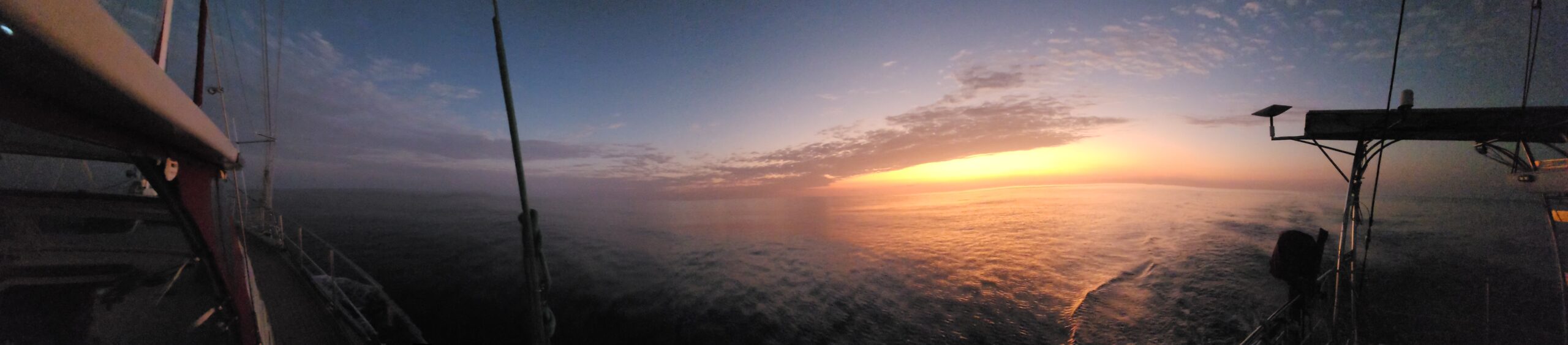
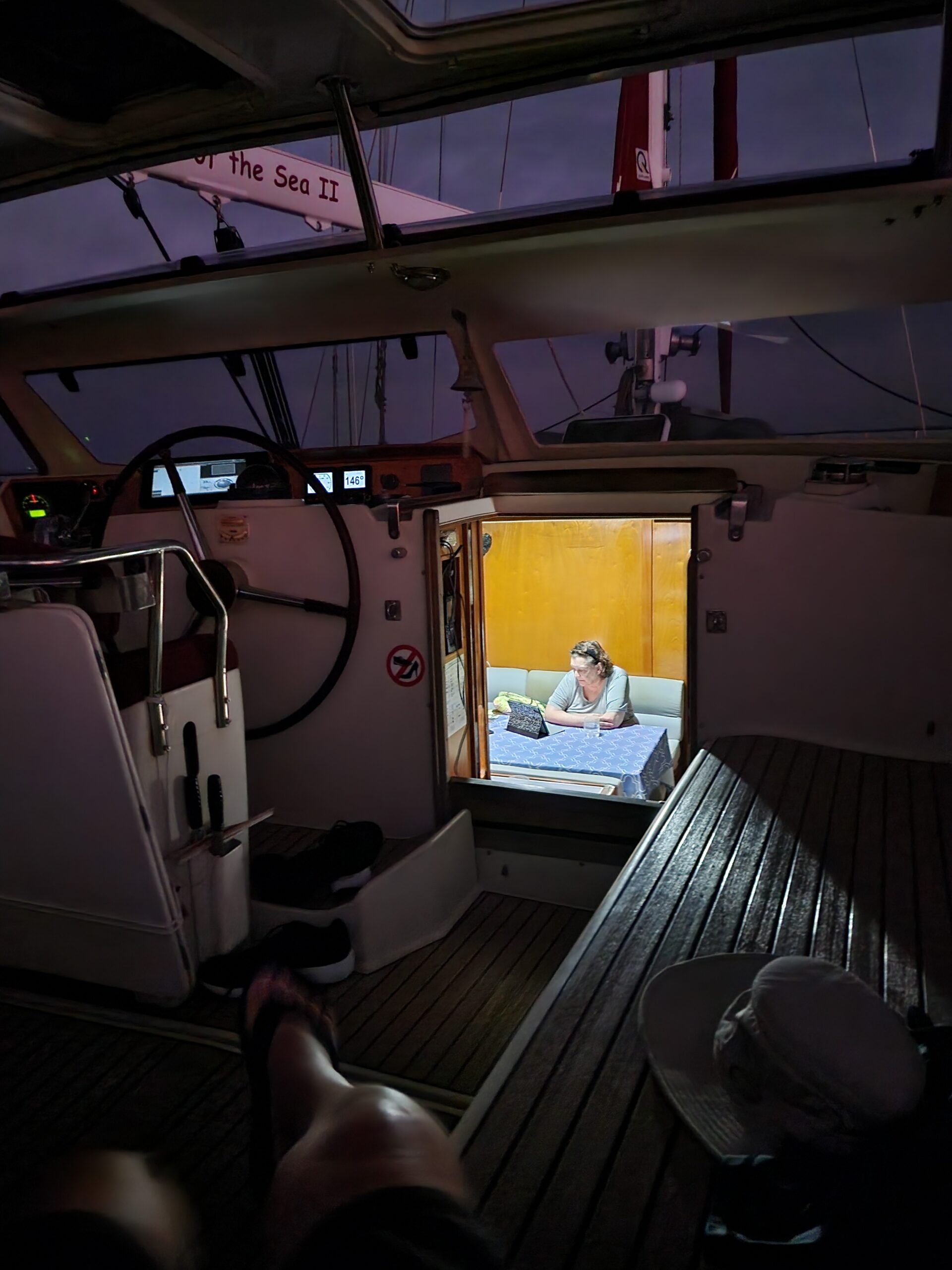
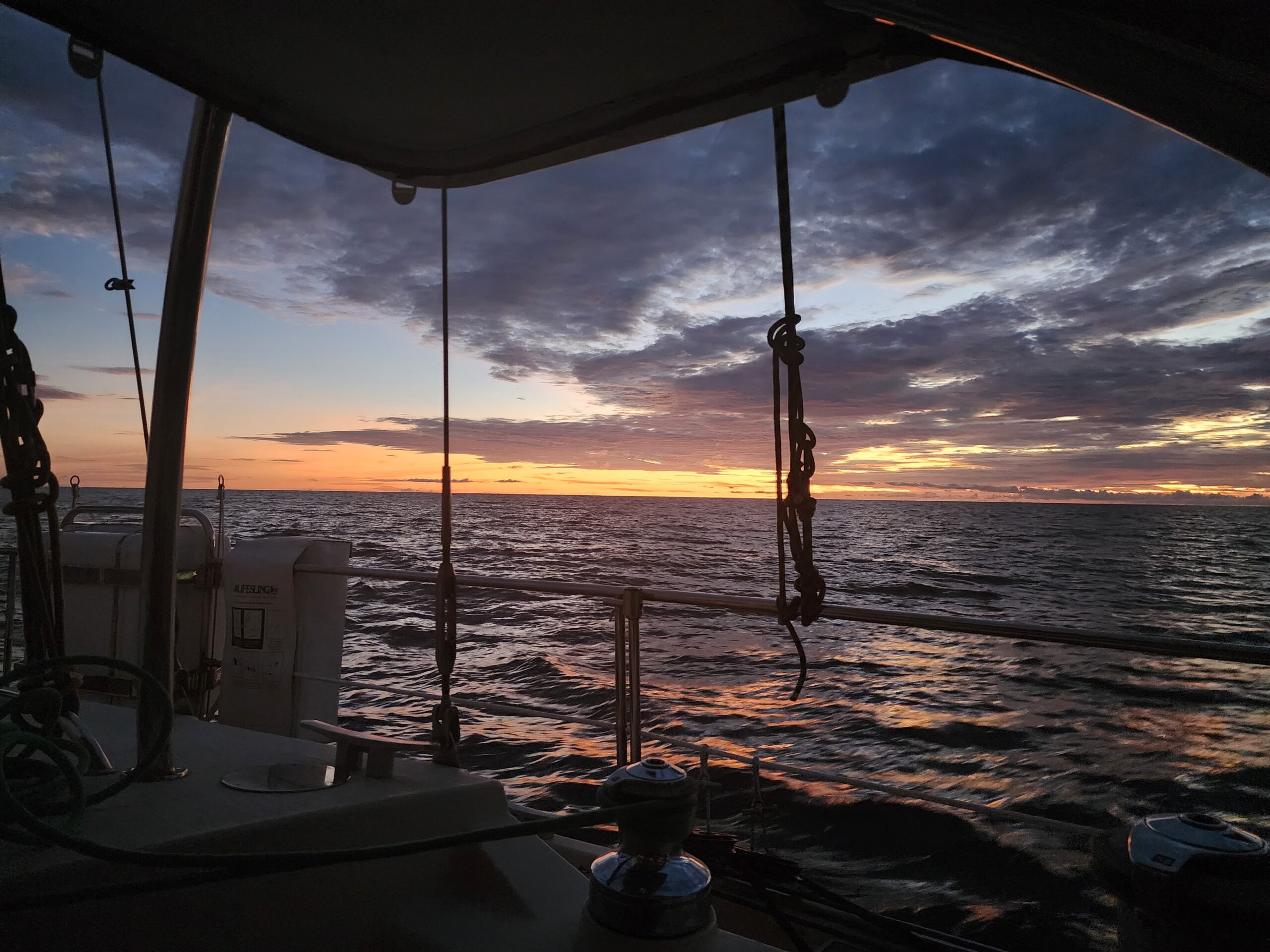
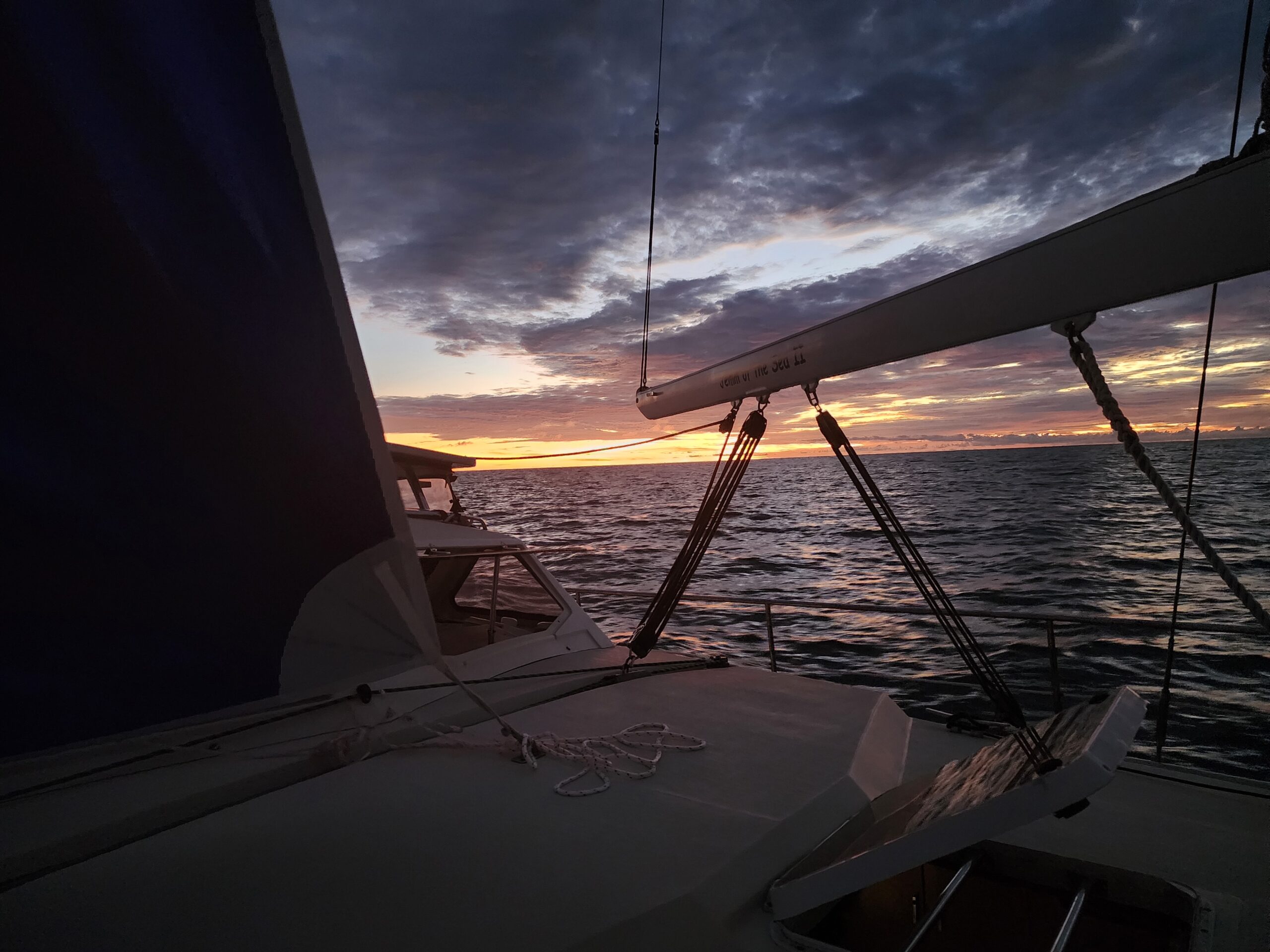
The weather was still cooperating nicely so we had smooth sailing to fresh and favorable winds. Night sailing was especially pleasurable with such clear skies and great views of the stars.
After the engine and radar failure, the next problem on the list was our watermaker. It did not completely fail to the point of not working, but it developed a nasty leak on its high pressure side, spraying water all around the engine room. This quickly resulted in one of our high power charger/inverters going haywire. Luckily, we could switch to our second set which would still provide battery charging and inverted 230 V for high voltage devices.
However, our engine state had continued degrading all along our passage and, at this point, the engine was losing quite a lot of oil and overheating pretty quickly. It was good that we were having great winds so we rarely had to motor. Still, continuing with a semi-operational engine seemed unreasonable and finally, on March 31st, we decided to change our course toward Salinas in Ecuador. There’s a marina there with a boatyard that has some reasonable repair facilities where we expected to get help for our boat ailments.
On April 1st, 2023, we crossed the equator N-to-S, our first on this vessel!
By the evening of the April 6th, we were on an approach at the marina at Salinas.
Ecuador has very stringent and non boater-friendly requirements to clear in. You need to employ a ship clearing agent and apply for entry at least two weeks in advance. There’s an exception for vessels that can prove safety or technical distress. We believed we had a case, but we still had to go through an agent. After Googling about that, we were able to get an agent on WhatsApp and get him started working on our clearing in.
Once anchored outside the marina (without the clearance we were not allowed to enter the marina basin!), we had to wait for immigration and the Harbor Captain reps who would come accompanied by our agent. We got our passports stamped (no problem here). However, the Port Captain rep took forever inspecting the boat. First, he asked a myriad questions about the technical problems that made us come to Ecuador in the first place. After that, he started to check our boat equipment and was snarky saying we did not meet Ecuador’s standards. In fact, a pleasure craft does not need to adhere to the requirements of the visited country, just to the rules of the country of her flag; commercial vessels on the other hand have to follow SOLAS (Safety of Life at Sea) rule conventions. Then, they all left, and we waited for a call from our agent about the Port Captain’s decision. At the end, his decision was that we did not meet technical or safety emergency exceptions so we had to leave Ecuador in two hours or else have our boat impounded! Our pleas to let us stay until the next morning to re-provision and refuel were futile. We raised the anchor and left.
We had no choice but to return to Panama.
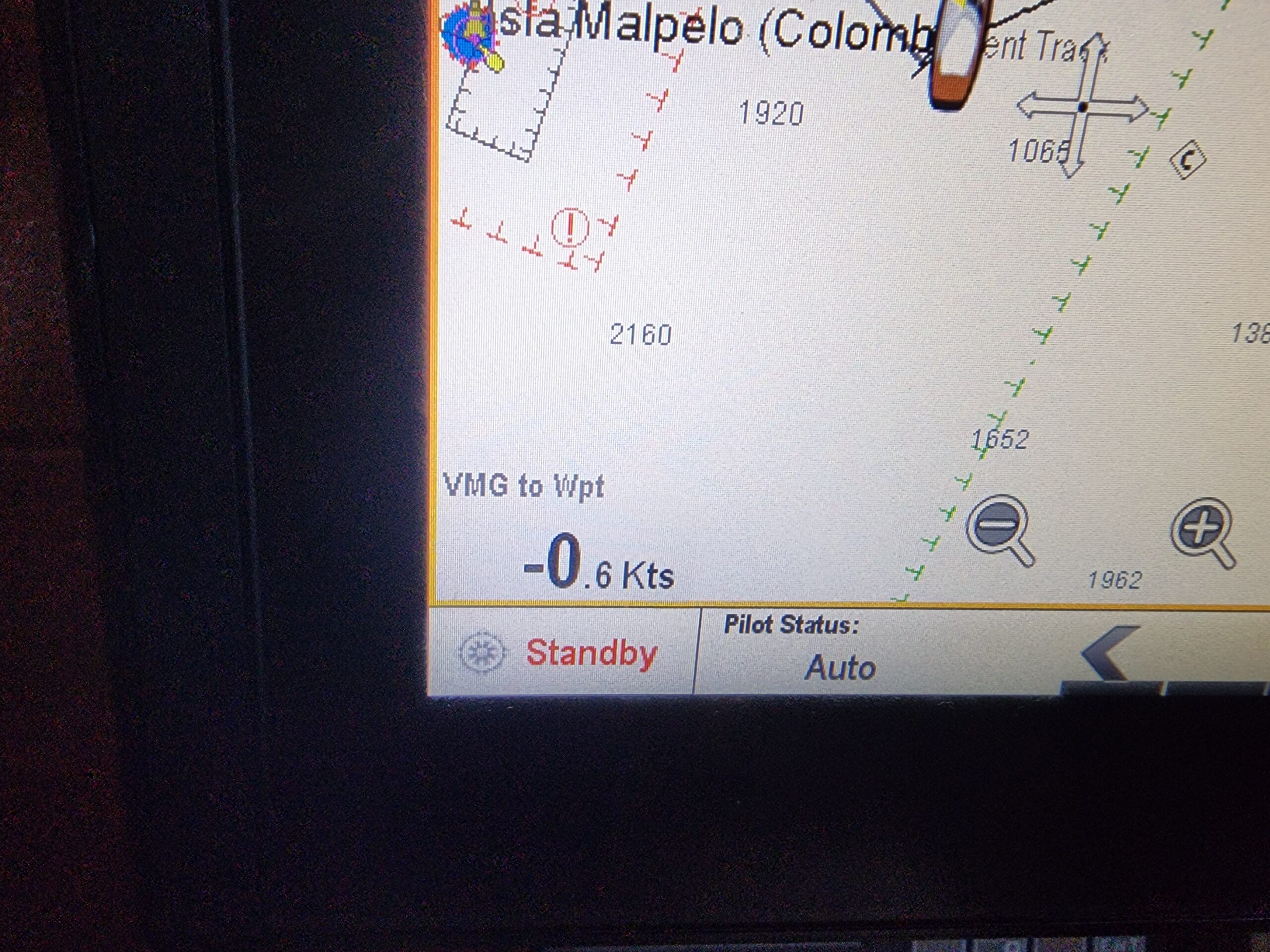
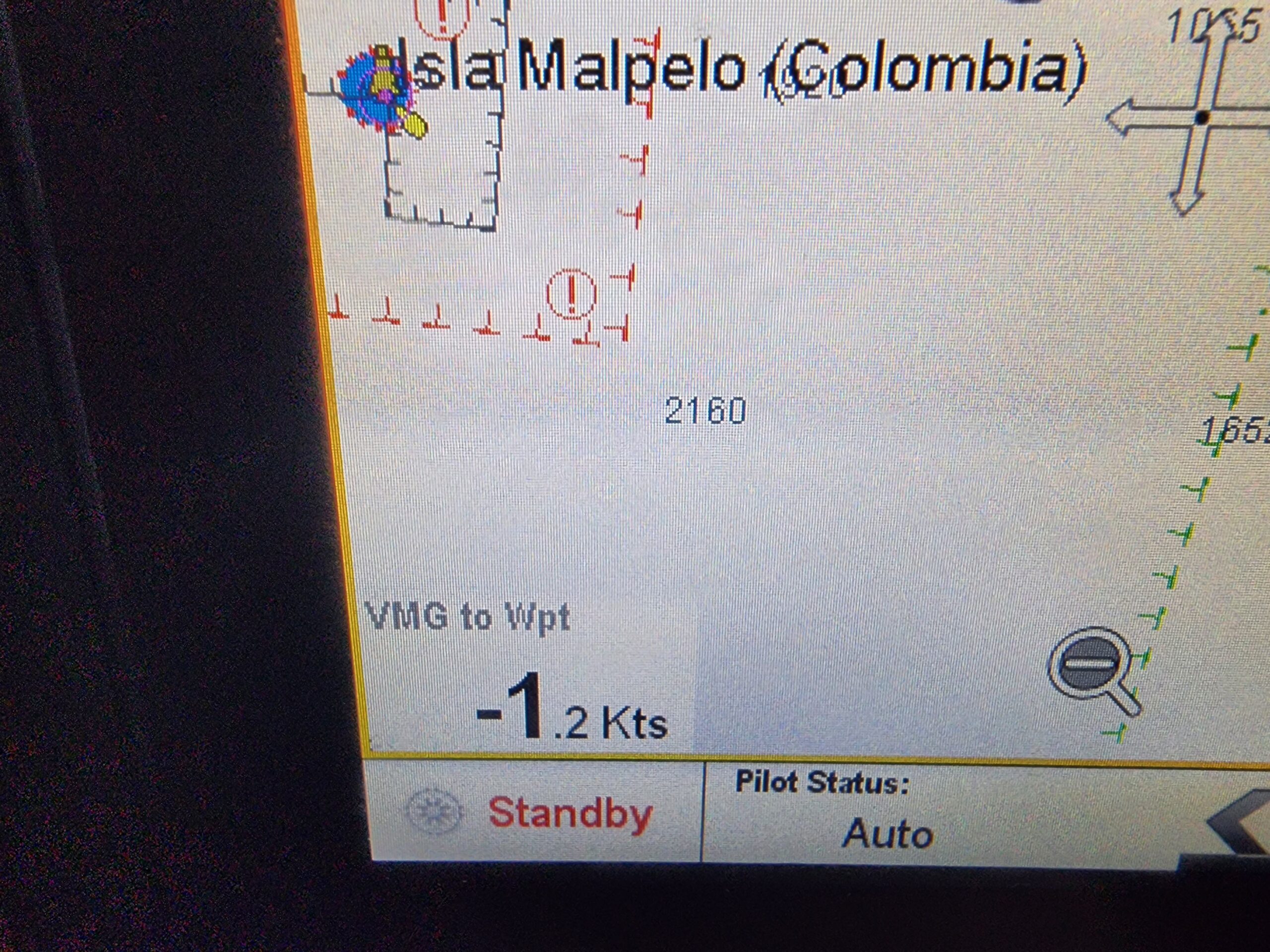
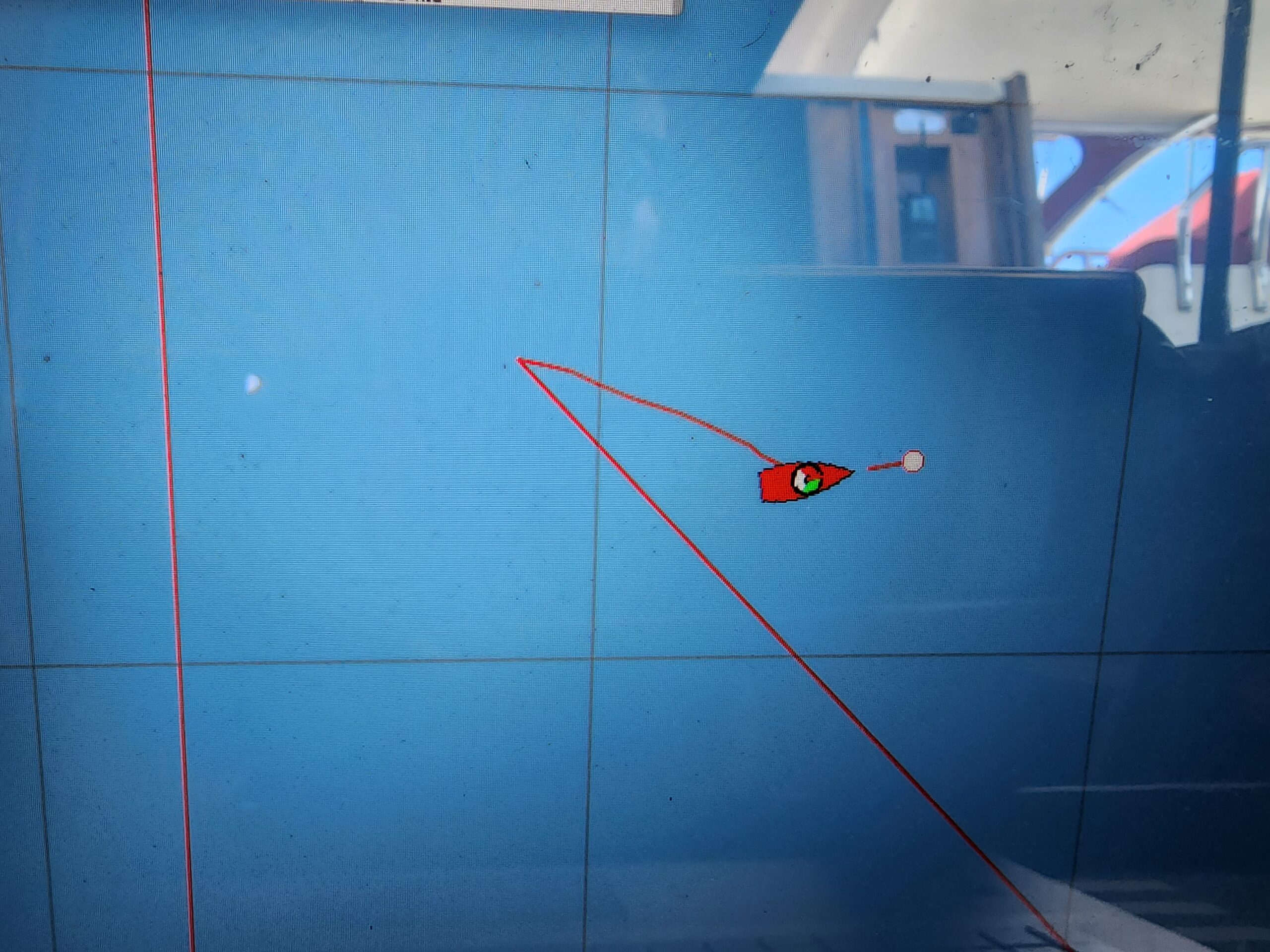
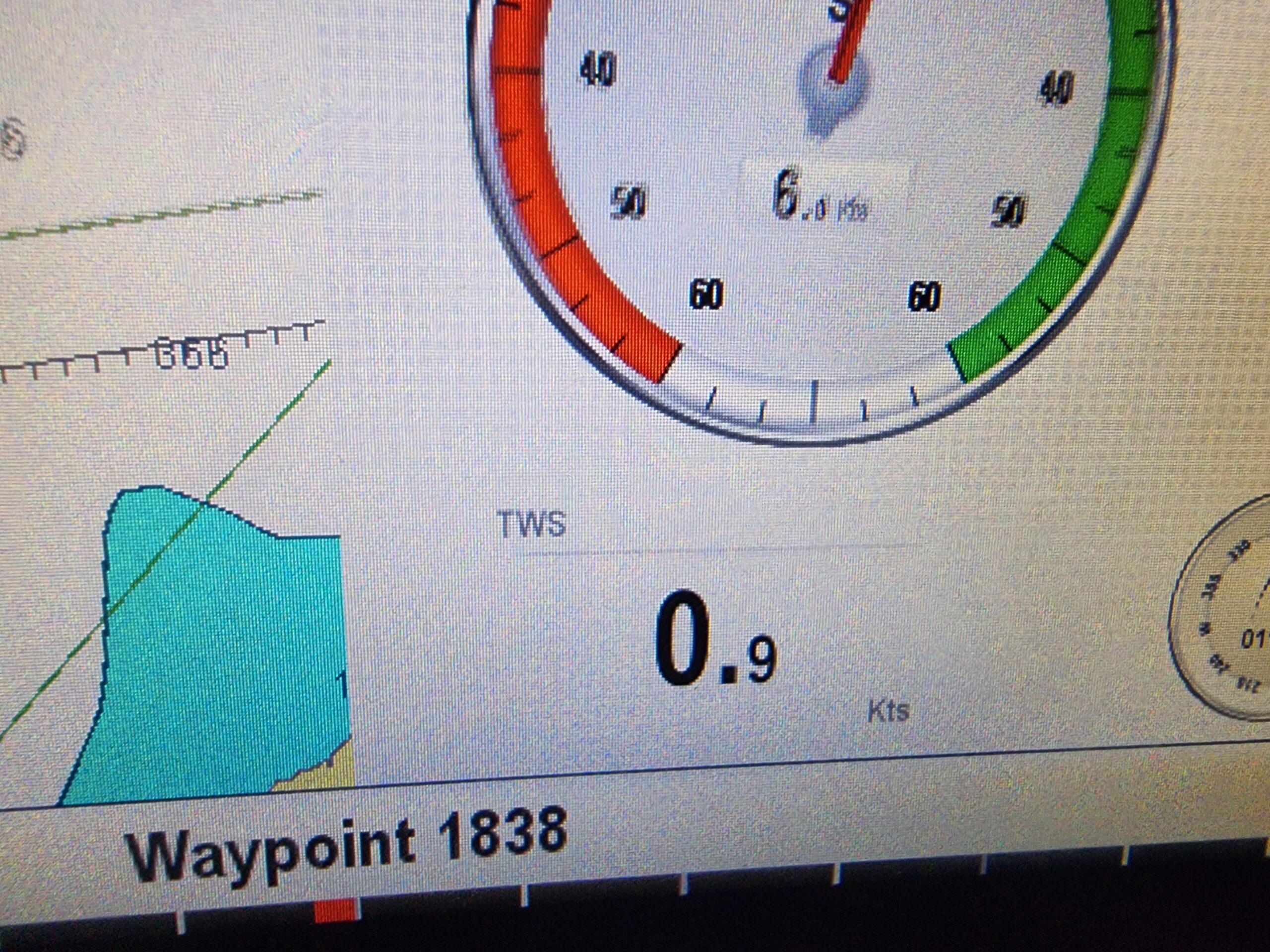
Unfortunately, the prevailing winds in the area are N to N-E and sailing back to Panama was a constant beating to the wind. Slow and tiring! It took us 11 days to cover 660 NM, averaging 60 NM/day! Pitiful!
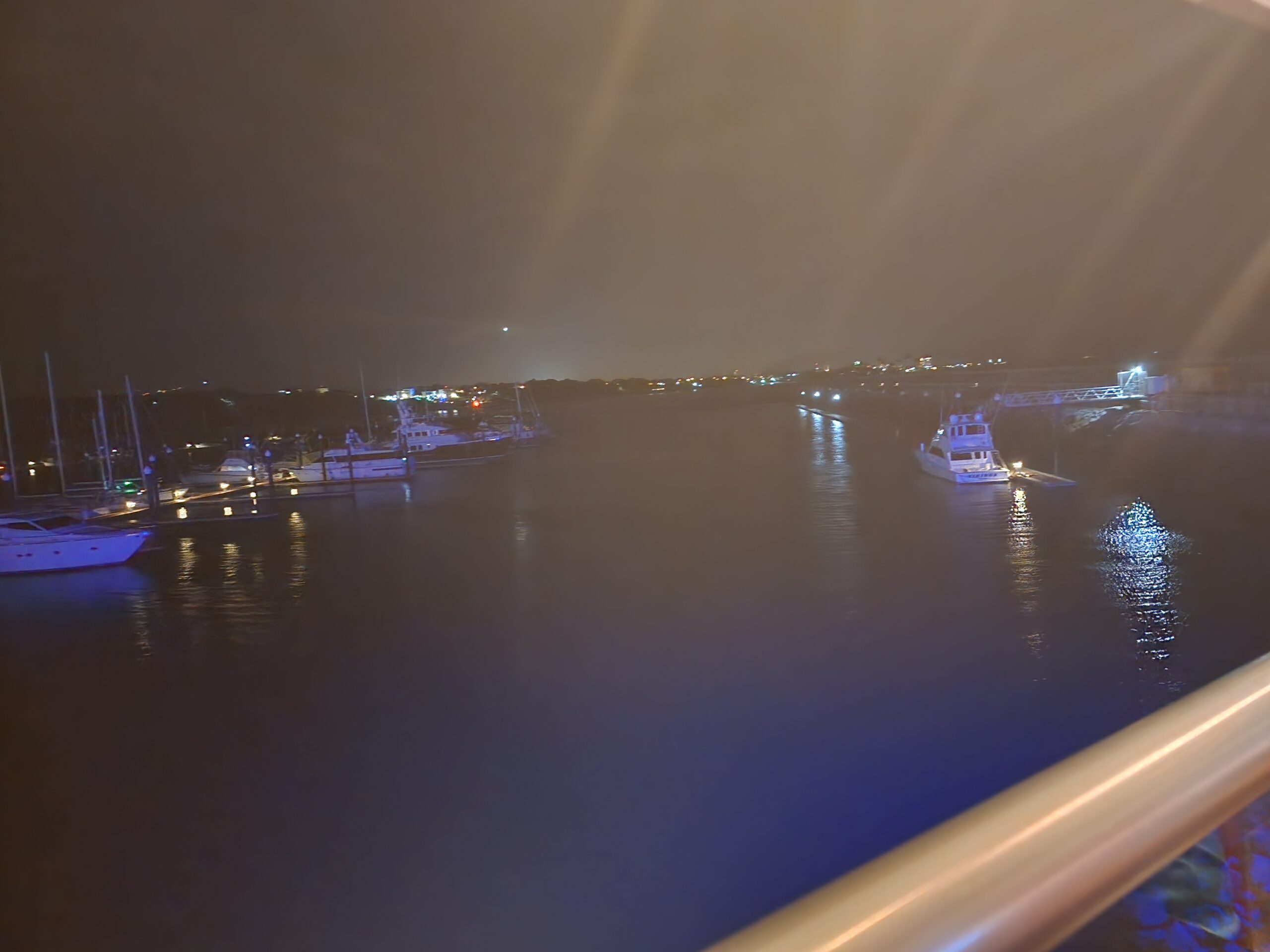
Finally, on April 16th, we reached Vista Mar Marina in San Marcos, Panama. It was too late to enter the marina so we anchored just outside its entry. The next morning, we were able to enter the marina basin and dock there. We cleared in and could finally rest. Our first evening back in Panama, we had drinks and dined at the marina’s Boga Bar.